

← Back to Blog
Market Trends
Charlton, MA Real Estate Market Guide: Prices, Neighborhoods and Timing
By John Capistran, Licensed Realtor
ERA Key Realty Serivces · DRE# 9633917
September 2, 2026 · 11 min read
If you are buying, selling, or relocating to Charlton, MA, this real estate market guide covers everything you need to know: current prices, what different parts of town offer, how long homes are sitting on the market, and when to move. Charlton sits in southern Worcester County, roughly 15 miles southwest of downtown Worcester, and its mix of rural character, convenient highway access, and varied housing stock makes it one of the more distinctive markets in central Massachusetts.
1. What the Charlton, MA Housing Market Looks Like Right Now
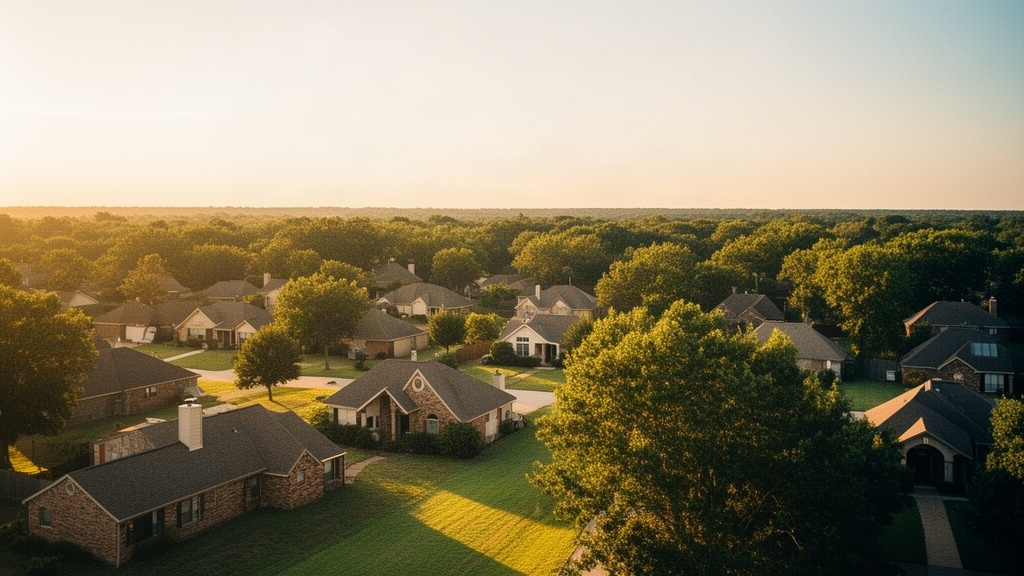
Charlton is a competitive market in September 2026, with median home prices sitting in the mid-to-upper $400,000 range for single-family homes. That figure has climbed steadily over the past several years as buyers priced out of Worcester and the MetroWest corridor have looked further into Worcester County for more space at a lower cost per square foot. Charlton's 37 square miles of mostly rural and semi-rural land give it room to absorb demand that denser towns cannot.
Median Prices and Inventory
Inventory in Charlton remains tight. The town typically carries fewer than 30 active single-family listings at any given time, and well-priced homes in good condition regularly go under agreement within two to three weeks. Entry-level homes priced below $400,000 move the fastest, often attracting multiple offers. You can track current listing data and price trend charts on Redfin's Charlton housing market page, which updates regularly with median sale price, days on market, and sale-to-list ratios.
Homes priced between $450,000 and $600,000 tend to sit slightly longer, often 30 to 50 days, because that price band draws buyers who are more deliberate about their search. Above $600,000, properties with significant acreage or custom features can take 60 to 90 days or more, depending on condition and lot characteristics.
How Fast Homes Are Moving
The median days on market for Charlton single-family homes currently hovers around 25 to 35 days across all price points. That is meaningfully faster than the statewide average for rural Worcester County towns, reflecting how much buyer interest has shifted toward communities with Route 20 and Massachusetts Turnpike access. Sellers who price correctly from day one are still seeing strong results; overpriced listings are sitting longer and requiring reductions before going under agreement.
What the Broader Regional Context Means for Charlton
Worcester itself has attracted national attention as one of the stronger secondary housing markets in the Northeast, which lifts demand in surrounding towns like Charlton. Buyers who cannot find what they want in Worcester proper often expand their search into Charlton, Sturbridge, Southbridge, and Spencer. Charlton benefits from that spillover because it offers larger lots and more privacy than Worcester neighborhoods while still sitting within a reasonable commute distance.
2. Charlton's Geographic Areas and What They Offer Buyers
Charlton is not a single-character town. It contains several distinct villages and corridors, each with different housing stock, lot sizes, road types, and proximity to services. Understanding those differences is one of the most useful things a buyer or relocating household can do before starting a serious search. For a broader breakdown of what each part of town offers, the Charlton MA Neighborhood Guide on this site goes into greater detail.
Charlton City and the Route 20 Corridor
The Charlton City village sits near the center of town and along Route 20, which runs east toward Auburn and west toward Sturbridge. This corridor carries most of Charlton's commercial activity: gas stations, small retail, the Charlton Public Library, and the town's municipal offices on Main Street. Homes here tend to sit on smaller lots compared to the more rural parts of town, typically a quarter to a half acre, and include a mix of Capes, older Colonials, and some split-level styles from the 1960s and 1970s. Prices in this area often start in the low $300,000s for smaller homes needing updates and climb to the mid-$400,000s for updated properties.
The Massachusetts Turnpike interchange at Exit 10 in Charlton is one of the town's most significant geographic assets. Commuters heading east toward Worcester or west toward Springfield can reach the highway in under five minutes from most parts of town. Worcester's downtown is roughly 20 to 25 minutes by car under normal traffic conditions. Boston's South Station is about 75 miles east, typically 80 to 100 minutes by car depending on traffic.
Charlton Depot and the Southern End
Charlton Depot, located in the southern portion of town near the Connecticut border, is a quieter, more rural pocket with fewer services and more land. Lot sizes here commonly run from one to five acres, and the housing stock leans toward larger Colonials, contemporaries, and some antique homes on substantial parcels. Buyers looking for privacy, room for outbuildings, or agricultural use often focus their search in this part of Charlton. Prices reflect the land: a three-bedroom Colonial on two acres in this area might list anywhere from $420,000 to $540,000 depending on condition and updates.
Stafford Street and the Eastern Fringe
The eastern edge of Charlton, particularly along Stafford Street and the roads that border Dudley and Oxford, contains some of the town's newer subdivisions built between the late 1990s and 2010s. These neighborhoods feature Colonial-style homes with two-car garages, finished basements, and lots that typically run from half an acre to just over an acre. These properties appeal to buyers who want a newer build without paying new construction prices. Homes in this corridor frequently list between $450,000 and $575,000, and they tend to move quickly because the product is consistent and easy to finance.
3. Housing Stock in Charlton: What You Will Actually Find
Charlton's housing supply is dominated by single-family homes on private lots, with very little multi-family or condominium inventory. That makes it a different buying experience than Worcester or Shrewsbury, where condos and townhouses make up a meaningful share of what is available. If you are searching for a condo or a two-family, Charlton will likely not satisfy your search. If you want a detached house with a yard, a garage, and some separation from your neighbors, Charlton has a lot to offer across several price points.
Colonial and Cape Styles on Larger Lots
The Colonial is the most common style in Charlton's post-1980 inventory. These homes typically run 1,800 to 2,600 square feet, with four bedrooms, two and a half baths, and a two-car attached garage. Older Capes from the 1950s through the 1970s represent a large portion of the sub-$400,000 inventory; many have been expanded over the decades with additions and dormers. Buyers interested in antique or older Colonial-style homes will find pockets of them throughout town, particularly on Route 20 and some of the older country roads. For more on what to look for in those properties, see the article on real estate agents in Charlton with experience in older Colonial-style homes.
Ranch Homes and Raised Ranches
Ranch and raised ranch homes built between 1955 and 1985 make up a solid portion of Charlton's sub-$400,000 inventory. These homes typically offer 1,000 to 1,600 square feet of living space on the main level, with a full or partial basement below. Lot sizes for these properties often run from half an acre to two acres. Many have been renovated over the years with updated kitchens, new roofs, and modern HVAC systems. Buyers working with a tighter budget who still want a single-family home with land will find the ranch segment worth exploring carefully.
New Construction and Subdivisions
New construction in Charlton is limited but not absent. Several smaller builders have developed lots in the $550,000 to $750,000 range over the past decade, typically offering four-bedroom Colonials with open floor plans, energy-efficient systems, and larger garages. These homes sell quickly when they come to market because buyers who want a move-in-ready property without the competition of existing-home bidding wars are willing to pay a premium. If new construction is a priority, working with a local agent who tracks builder activity is important, since not all new builds appear on MLS immediately.
4. Timing the Market: When to Buy or Sell in Charlton
Timing matters in Charlton, but not in the way most people expect. The conventional wisdom about spring being the best time to sell holds true here, but Charlton's low inventory means that well-prepared sellers can do well in nearly any season. The bigger timing factor is often interest rates, which directly affect how many qualified buyers are actively searching at any given moment.
The Spring Rush and What It Means for Sellers
March through June is historically the busiest stretch for Charlton listings. Buyer activity picks up sharply after winter, and households who want to move before the following school year begin their searches in earnest. Sellers who list in April or May with a clean, well-priced home often see the strongest offer activity. The downside is that competition among sellers also increases; more listings hit the market in spring, so pricing precision matters more, not less.
Fall and Winter Opportunities for Buyers
September through January tends to bring fewer competing buyers in Charlton, which can work in a buyer's favor. Sellers who list in the fall are often motivated: they may have already purchased elsewhere, need to relocate for work, or have had their home sit through the summer without selling. That motivation creates more room for negotiation on price and terms. The trade-off is that fewer homes come to market in fall and winter, so buyers need to be patient and ready to move quickly when the right property appears.
Interest Rate Conditions in September 2026
Mortgage rates remain a central variable in the Charlton market right now. Even modest rate movements of a quarter to a half percent can shift monthly payments by $100 to $200 on a $450,000 loan, which affects how many buyers are actively shopping. National housing analysts have noted that rate sensitivity is unusually high in 2026 because so many potential sellers are still holding onto sub-4% mortgages from earlier years, which suppresses new listing supply. For a broader look at how those national trends intersect with local conditions, HousingWire's 2026 real estate statistics roundup provides useful context on inventory and rate dynamics playing out across the country.
For sellers in Charlton, the practical takeaway is that your buyer pool may be smaller than it was in 2021 or 2022, but the buyers who are active are serious. For buyers, locking in a rate when you find the right home is often smarter than waiting for rates to drop further, especially in a low-inventory market where the home you want may not come back around.
5. Practical Guidance for Buyers and Sellers in Charlton
Whether you are buying or selling, Charlton rewards preparation. The market moves quickly enough that buyers who are not pre-approved or sellers who have not done basic preparation often lose ground to those who have done their homework. Here is what each side of the transaction should focus on.
What Buyers Should Prepare For
Get pre-approved before you start touring homes, not after. In a market where desirable homes go under agreement in two to three weeks, you will not have time to scramble for financing once you find the right property. Know your budget ceiling, understand what your monthly payment looks like at current rates, and have your documentation ready for a lender. Buyers in the sub-$400,000 range should also be prepared for competition; if you are searching in that price band, see the detailed breakdown of what is available in the article on homes for sale in Charlton under $400k.
Buyers should also research the town's infrastructure carefully before making an offer. Most homes in Charlton use private well water and septic systems rather than municipal water and sewer. Well and septic inspections are a standard part of the due diligence process here, and buyers should budget time and money for those tests. A failed septic inspection is not necessarily a deal-breaker, but it needs to be addressed in negotiations before closing.
What Sellers Need to Know Before Listing
Pricing is the single most important decision a Charlton seller makes. Homes that come to market at or slightly below their fair market value tend to generate the most activity in the first two weeks, which is when buyer interest is highest. Homes that come in overpriced often sit, accumulate days on market, and ultimately sell for less than they would have if priced correctly from the start. A detailed comparative market analysis, using recent closed sales within Charlton and adjacent towns, is the foundation of a sound pricing strategy.
Presentation matters as much as price. Charlton buyers are looking at homes with private wells, septic systems, and often older mechanical systems. Sellers who address known issues before listing, whether that is a dated furnace, a cracked septic cover, or peeling paint on the exterior, remove objections that buyers will otherwise use to negotiate price down. Professional photography, accurate square footage, and clear disclosure of any known material defects all reduce friction in the transaction. For a deeper look at what the selling process involves from start to finish, the article on selling a home in Charlton, MA walks through pricing, timelines, and what to expect.
Working with a Local Expert
Charlton is a specific market with its own rhythms, and it rewards buyers and sellers who work with an agent who knows it well. John Capistran of ERA Key Realty Services has worked extensively in Charlton and the surrounding Worcester County communities. He brings direct knowledge of local price trends, which roads and areas carry different characteristics, how to handle well and septic contingencies, and how to position a home or an offer to compete effectively. That kind of ground-level familiarity is difficult to replicate with a general agent who covers a broad swath of the state.
If you are evaluating agents and want to understand what separates a genuinely local expert from someone who simply covers the area on paper, the article on how to tell if a real estate agent really knows the Charlton market outlines the specific things to look for.
FAQ
What is the median home price in Charlton, MA right now?
As of September 2026, the median sale price for single-family homes in Charlton is in the mid-to-upper $400,000 range, though that figure shifts depending on the part of town and the condition of the property. Entry-level homes, typically smaller Capes and ranches that need updating, can be found below $400,000, while larger Colonials on more land and newer construction often push into the $500,000 to $700,000 range. Prices have risen meaningfully over the past several years as buyer demand from the greater Worcester area has increased. Tracking current closed sales data on platforms like Redfin gives the most up-to-date picture of where the market stands.
Is Charlton, MA a buyer's market or a seller's market in 2026?
Charlton currently leans toward a seller's market, driven by low inventory and consistent buyer demand from households relocating from Worcester and other higher-cost communities. Active listings in town typically number fewer than 30 at any given time, and well-priced homes move within two to three weeks. That said, the market is more nuanced above $500,000, where homes tend to sit longer and buyers have more negotiating room. Interest rate sensitivity is also a factor: when rates tick up, the buyer pool contracts, which can shift conditions slightly in favor of buyers at certain price points.
What should I know about well and septic systems when buying a home in Charlton, MA?
The vast majority of homes in Charlton rely on private well water and on-site septic systems rather than municipal utilities. That is standard for a rural Worcester County town, but it means buyers need to budget for well and septic inspections as part of their due diligence. A Title 5 septic inspection is required by Massachusetts law before a property can be sold, so sellers must address any failed systems either before listing or through price negotiation. Buyers should also have the well water tested for bacteria, nitrates, and other contaminants, particularly in older homes. These inspections typically cost between $500 and $1,500 combined and are a normal part of any Charlton transaction.