

← Back to Blog
Market Trends
Charlton, MA Real Estate Market Guide: Prices, Neighborhoods and Timing
By John Capistran, Licensed Realtor
ERA Key Realty Serivces · DRE# 9633917
September 1, 2026 · 10 min read
If you are trying to understand the Charlton, MA real estate market guide covering prices, neighborhoods and timing, this article gives you the concrete numbers and local context you need to make a confident decision. Charlton is a 44-square-mile town in Worcester County where rural character, highway access, and a relatively affordable price point compared to eastern Massachusetts combine to create steady demand. Whether you are buying, selling, or relocating, here is what the market actually looks like right now.
1. What the Charlton Housing Market Looks Like Right Now
Charlton's housing market in August 2026 is competitive but not frantic. Inventory remains tight by historical standards, and well-priced homes that show well are still moving within two to three weeks of hitting the market. That said, the pace has moderated compared to the peak years, giving buyers slightly more room to negotiate on condition-related credits.
Median Prices and Inventory in August 2026
The median sale price for single-family homes in Charlton has been running in the low-to-mid $400,000s through the summer of 2026. According to Redfin's Charlton housing market data, sale prices have trended upward year over year, reflecting continued demand from buyers priced out of Worcester and the Route 9 corridor towns. Active listings at any given moment in Charlton typically number in the low double digits, which keeps competition real even when the market is not at a boil.
Days on market for homes priced accurately sits at roughly 20 to 35 days right now. Overpriced listings are sitting longer, sometimes 60 days or more, which is a meaningful shift from 2022 and 2023 when almost anything sold regardless of price. The current market rewards correct pricing more than it has in several years.
How Charlton Compares to the Broader Massachusetts Market
Massachusetts as a whole has seen persistent low inventory and price appreciation through 2026. The Massachusetts housing market forecast for 2026 points to continued pressure on supply, particularly in the $350,000 to $550,000 price band where most Charlton homes trade. Charlton benefits from its position as one of the more affordable towns in Worcester County with direct Mass Pike access, which keeps relocating buyers from the Boston metro looking here even as their budgets get squeezed.
Towns like Sturbridge, Southbridge, and Spencer share Charlton's general price range, but Charlton's lot sizes and its position directly on Interstate 90 give it a distinct draw for buyers who want land without sacrificing commute viability.
2. The Housing Stock: What You Will Actually Find for Sale
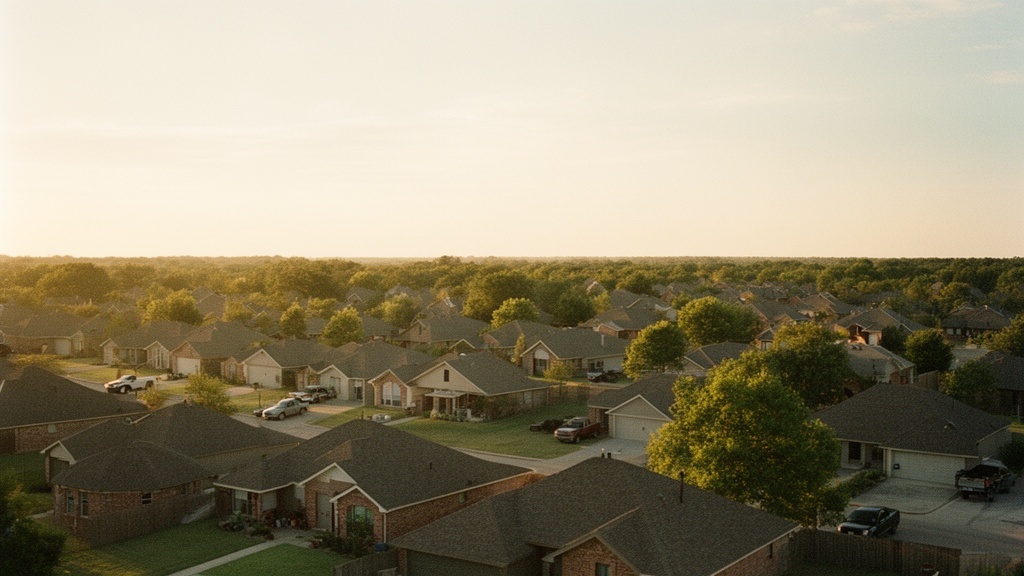
Charlton's housing inventory is dominated by single-family detached homes on generous lots. If you are coming from a suburb where a quarter-acre is considered standard, Charlton will feel different. Parcels of one to three acres are common, and properties with five or more acres are not unusual, particularly away from the town center.
Colonials, Capes, and Ranches
The most common architectural styles in Charlton are Colonial, Cape Cod, and Ranch, with a healthy mix of split-levels built during the 1960s through 1980s suburban expansion of Worcester County. Colonials in Charlton typically run 1,800 to 2,600 square feet and sit on wooded or semi-wooded lots with detached or attached two-car garages. Many were built between 1985 and 2005, so buyers can expect updated kitchens in some cases but should still plan for mechanical system reviews on homes approaching 30 years old.
Cape-style homes tend to run slightly smaller, often 1,200 to 1,800 square feet, and frequently appear at price points under $400,000. For more on what that price band looks like in Charlton right now, the article on homes for sale in Charlton MA under $400k breaks down what buyers can realistically expect at that threshold.
Lot Sizes, Acreage, and Rural Character
Charlton's zoning has historically favored larger minimum lot sizes, which is why the town has retained its rural feel even as surrounding areas have densified. Many properties include stone walls, mature hardwood stands, and seasonal streams, features that are genuinely part of the landscape here rather than marketing language. Buyers relocating from more urban environments often find the transition to well and septic systems is the biggest adjustment. Both are standard in Charlton, and a thorough home inspection that includes a well water test and septic system evaluation is not optional; it is essential.
Condos and Newer Construction
Condominium inventory in Charlton is limited compared to single-family homes but does exist, primarily in smaller complexes along the Route 20 corridor. New construction has been modest in recent years given the cost of land preparation and the town's permitting pace, but scattered new builds do appear, particularly on previously subdivided lots in established neighborhoods. New construction in Charlton typically prices in the $550,000 to $700,000 range depending on the builder and finish level.
3. Understanding Charlton's Geographic Pockets
Charlton is not a town with a single downtown core. It is organized around several distinct villages and geographic areas, each with its own character in terms of housing stock, lot type, and proximity to amenities. Understanding these pockets matters when you are buying because location within Charlton can affect price, commute, and what daily life actually looks like. For a deeper breakdown of each area, the Charlton MA neighborhood guide covers the specifics in full detail.
Charlton City and Charlton Depot
Charlton City is the village closest to the town center, where you will find Charlton Town Hall, the public library, and the town common. Housing here tends to be on slightly smaller lots than the outlying areas, with a mix of older Colonials, antique homes dating to the 1800s, and mid-century Ranches. Charlton Depot, in the southern part of town near the Southbridge line, has a more rural feel with larger parcels and fewer services within walking distance.
Lake Ramshorn and Buffumville Lake Areas
Charlton has notable water features that shape certain neighborhoods. Lake Ramshorn in the northern part of town and Buffumville Lake, managed by the Army Corps of Engineers on the Oxford-Charlton line, both anchor residential areas where homes often carry a premium for proximity to the water. Buffumville Lake Recreation Area offers swimming, fishing, and picnicking, making nearby properties attractive to buyers who want outdoor access without owning waterfront.
Homes within a half-mile of either lake tend to price 5 to 15 percent above comparable inland properties, depending on whether they have any water views or deeded access. Buyers targeting these areas should expect more competition and should be prepared to move quickly when a suitable listing appears.
Route 20 and Interstate 90 Corridors
Route 20 runs east-west through the northern tier of Charlton and connects directly to the Charlton service plaza on Interstate 90, the Massachusetts Turnpike. This gives Charlton one of the most practical highway positions of any rural town in Worcester County. Worcester is roughly 15 miles east, about 20 to 25 minutes in normal traffic. Springfield is approximately 40 miles west, around 45 minutes. Boston is accessible in 60 to 75 minutes depending on traffic and time of day. Homes positioned north of Route 20 tend to offer the shortest drive times to the on-ramp, which some buyers weigh heavily.
4. Timing the Market: When to Buy or Sell in Charlton
Timing in Charlton follows Massachusetts seasonal patterns but with some local nuance. The spring market, roughly March through June, is when the most listings appear and when buyer competition peaks. Late summer, which is where we are right now in August 2026, represents a secondary window: some spring buyers who did not find a home are still active, and sellers who list now face less competition from other listings than they would have in April.
Seasonal Patterns in Charlton Real Estate
Winter listings in Charlton, November through February, are fewer in number but attract serious buyers rather than casual browsers. Sellers who list in winter often face less competition from other homes, though they may also see a smaller buyer pool. For buyers, winter can be an opportunity to negotiate more aggressively, particularly on homes that have been sitting since fall.
The fall market, September and October, is Charlton's second-most-active window. Buyers who want to close before the school year is well underway tend to be motivated, and sellers who price correctly in September often see strong results before the market quiets for the holidays.
What Rising Rates Have Done to Buyer Demand
Mortgage rates above 6.5 percent have meaningfully changed the math for buyers in Charlton. A buyer financing $380,000 at 7 percent pays roughly $2,530 per month in principal and interest, compared to about $1,800 at 4 percent. That gap has pushed some buyers to lower their target price or increase their down payment, which is part of why the sub-$400,000 segment of the Charlton market remains the most competitive tier.
Buyers who are rate-sensitive should run their numbers carefully and consider whether buying points makes sense given their expected hold period. A local lender familiar with Worcester County programs can sometimes identify down payment assistance or rate buy-down options that a national lender would not surface.
Seller Timing Considerations in August 2026
For sellers, August 2026 is a reasonable time to list if your home is move-in ready and priced at or slightly below the market ceiling for your property type. Buyers who have been searching since spring are tired of losing and are often willing to move decisively on a home that checks their boxes. The article on whether right now is a good time to sell in Charlton covers the seller-specific timing question in more depth.
5. What Buyers and Sellers Need to Know Before Acting
Charlton has specific due diligence requirements that differ from more suburban markets. Knowing what to look for before you sign a purchase and sale agreement can save you significant money and frustration, whether you are buying or selling.
Due Diligence Specific to Charlton Properties
Because nearly all Charlton homes use private wells and septic systems, buyers should budget for a Title 5 septic inspection, a well yield test, and a full water quality test as part of every offer. A failed Title 5 inspection requires the seller to repair or replace the system before closing, which can add $15,000 to $40,000 to the transaction depending on the scope of work. Knowing this going in, and factoring it into your offer strategy, is something an experienced local agent will help you navigate.
Oil heat is common in older Charlton homes. Buyers should ask for documentation of recent tank inspections and, for underground storage tanks, proof of compliance or removal. Heating oil costs in central Massachusetts can run $2,500 to $4,500 per winter depending on the size of the home and insulation quality, so understanding the heating system before you buy matters for your annual budget.
For sellers, understanding what a buyer's inspector is likely to flag on your property before you list can help you price accurately or make targeted repairs that justify a higher asking price. Older Colonials in Charlton, particularly those built before 1990, may have deferred maintenance on roofs, chimneys, and electrical panels that will come up in inspection regardless. The article on real estate agents with experience in older Colonial homes in Charlton explains why that property-type knowledge matters when choosing representation.
Working with a Local Expert
Charlton's market is small enough that local knowledge creates a real edge. An agent who knows which roads flood in spring, which neighborhoods have deed restrictions, and which streets are on town water versus private well is not giving you generic advice; they are giving you information that changes what a property is worth to you specifically. John Capistran of ERA Key Realty Services has worked extensively in Charlton and the surrounding Worcester County towns, and that on-the-ground familiarity shows up at every stage of a transaction.
If you want to understand what makes an agent genuinely knowledgeable about this market rather than just licensed to work in it, the article on signs a real estate agent actually knows the Charlton local market is worth reading before you start interviewing agents.
FAQ
What is the median home price in Charlton, MA right now?
As of August 2026, the median sale price for single-family homes in Charlton is running in the low-to-mid $400,000s. Prices have trended upward year over year, driven by limited inventory and continued demand from buyers relocating from Worcester and the Boston metro area. Entry-level Cape-style homes can still be found under $400,000, while newer construction and waterfront-adjacent properties often push above $550,000. Pricing varies meaningfully by location within town, lot size, and the age and condition of the home.
Is Charlton, MA a buyer's or seller's market in 2026?
Charlton currently sits in a mild seller's market, meaning there are more active buyers than there are available homes at any given time. However, the market has softened compared to the peak years of 2021 and 2022. Overpriced listings are sitting longer, and buyers have slightly more leverage on condition-related repairs than they did two or three years ago. Well-priced, move-in-ready homes still attract multiple offers, particularly in the under-$450,000 range, while homes needing significant work tend to linger. For a more detailed breakdown of current conditions, the article on whether Charlton is currently a buyer's or seller's market covers the data in depth.
What should I know about buying a home in Charlton that I might not know coming from a more suburban area?
The biggest practical differences in Charlton are the prevalence of private wells and septic systems, which are standard rather than the exception. Every offer should include a Title 5 septic inspection and a full well water quality test, and buyers should budget for potential system repairs if issues are found. Oil heat is common in homes built before 2000, and underground storage tanks are a due diligence item worth asking about specifically. Lot sizes are larger than suburban norms, which means more property to maintain and sometimes more complexity around driveway access, drainage, and outbuildings. Working with an agent who has closed transactions in Charlton specifically will bring you valuable local insights and expertise that a specialist in the area is well positioned to offer.