
← Back to Blog
Local Living
Moving to Charlton, Massachusetts: What You Need to Know Before You Arrive
By John Capistran, Licensed Realtor
ERA Key Realty Serivces · DRE# 9633917
September 2, 2026 · 10 min read
Moving to Charlton, Massachusetts puts you in one of Worcester County's most genuinely rural towns, where wooded lots, ponds, and a slower pace sit within commuting distance of both Worcester and the Connecticut border. This guide covers the practical side of the move: housing stock, price ranges, commute times, what the town offers day to day, and what to expect from the buying process in this market.
1. What Charlton, MA Is Actually Like
Charlton is a rural town of roughly 14,000 residents in south-central Worcester County. It covers about 44 square miles, which means properties tend to have real land around them. Lots of one to three acres are common, and homes set back from the road behind treelines are the norm rather than the exception.
Town Size and Character
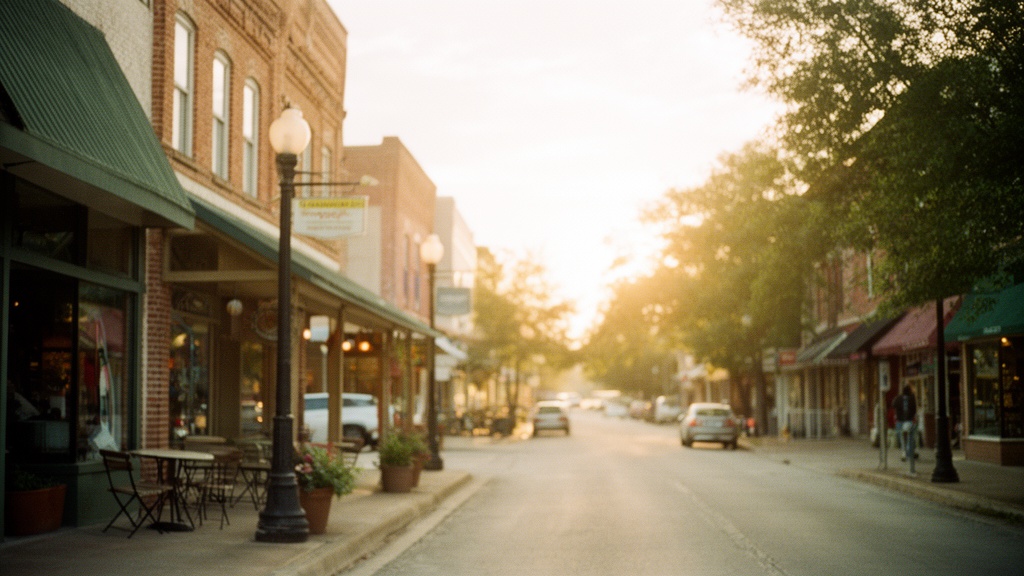
Charlton does not have a downtown in the traditional sense. The town center sits along Sturbridge Road near the common, with a handful of local businesses, a post office, and the town hall. Most day-to-day errands happen in neighboring Southbridge or Sturbridge, both within ten to fifteen minutes. Oxford and Webster are also close for grocery runs and retail. The absence of dense commercial development is part of why people move here: the town has stayed largely residential and agricultural.
Ponds, Trails, and Open Space
Charlton has more than 30 ponds within its borders. Buffumville Lake, managed by the Army Corps of Engineers, offers swimming, fishing, and trail access on the east side of town. The Buffumville Lake Recreation Area includes a beach and picnic facilities. There are also several smaller ponds scattered throughout town where residents fish and kayak. The town has conservation land threaded through it, and trails connect several of these areas.
Charlton City Road and Muggett Hill Road are two of the longer rural routes where you get a clear sense of the terrain: rolling hills, stone walls, old farmsteads, and forest. If you are moving to Charlton, Massachusetts from a more suburban area, the contrast is noticeable from the first drive through.
What the Town Center Offers
The Charlton Public Library on Main Street serves as a community anchor, with programs for all ages. The Charlton Recreation Department runs seasonal programs out of the town's athletic fields. There is a small cluster of local businesses near the Route 20 corridor, including the longtime Charlton Orchard on Muggett Hill Road, which has operated since 1918 and draws visitors from across the region each fall. This is a town where community events like the annual town fair and recreation programs are how neighbors meet each other.
2. Housing Stock and Price Ranges in Charlton
Charlton's housing market leans heavily toward single-family homes on larger lots. Condominiums and multi-family buildings exist but are a small share of total inventory. If you are coming from a city or inner suburb, expect a different kind of housing product here: more land, older construction in many cases, and a wider range of conditions than you might find in a newer suburb.
Colonial and Cape-Style Homes
A large portion of Charlton's housing stock consists of colonial-style homes built between the 1960s and 1990s, along with Cape Cods from roughly the same era. Many of these sit on one to three acre lots and were built as custom or semi-custom homes rather than tract housing. Older capes and antique colonials from the 1800s also appear throughout town, particularly on the older roads near the town center. If you are interested in properties with historic character, Charlton has genuine examples. John Capistran of ERA Key Realty Services has worked with buyers specifically seeking older colonial-style homes in this market, and you can read more about that in the article on real estate agents in Charlton with experience in older colonial homes.
Newer Subdivisions and Ranch-Style Properties
Charlton saw new subdivision development through the 1990s and into the 2000s, particularly off Route 20 and along the southern part of town near the Connecticut border. These neighborhoods feature newer colonials and raised ranches on lots that are smaller than the older rural parcels but still generous by suburban standards, often half an acre to an acre. Ranch-style homes from the 1950s through the 1970s are also present, particularly on some of the quieter roads in the western sections of town.
What Your Budget Gets You Right Now
As of August 2026, the median sale price for a single-family home in Charlton sits in the $430,000 to $480,000 range, though individual properties vary considerably based on lot size, condition, and location within town. You can track current price trends on Redfin's Charlton housing market page, which updates regularly with median prices, days on market, and sale-to-list ratios. Homes under $400,000 do exist but tend to move quickly and often require updates. At the $500,000 to $600,000 level, buyers can find well-maintained colonials with updated kitchens, finished basements, and two or more acres.
For buyers working with tighter budgets, there is a separate article covering homes for sale in Charlton under $400k that breaks down what is realistically available at that price point right now.
3. Commuting from Charlton, MA
Charlton's location at the intersection of I-90 (the Massachusetts Turnpike) and I-395 makes it one of the more accessible rural towns in central Massachusetts. That said, you will be driving. There is no commuter rail service in Charlton, and public transit options are minimal. A car is essential.
Getting to Worcester
Worcester is the nearest city and the most common commute destination for Charlton residents. The drive from the center of Charlton to downtown Worcester runs approximately 20 to 25 minutes via Route 20 west to I-290, or via I-90 east to I-395 north. Traffic on Route 20 during morning rush hour can add five to ten minutes. Worcester has a commuter rail connection to Boston's South Station, so some residents drive to Worcester and take the train from there, making the combined commute roughly 90 minutes to Boston.
Reaching Springfield and Hartford
Charlton's position near the Connecticut border makes it workable for people employed in the Springfield or Hartford corridors. Springfield is roughly 35 to 40 minutes west via I-90. Hartford, Connecticut is approximately 55 to 65 minutes south via I-395 to I-44 or I-84. Some buyers relocating from Connecticut choose Charlton specifically because they can access Massachusetts real estate values while staying within a reasonable drive of Connecticut employment centers.
Boston Commutes and the Pike
A direct drive from Charlton to Boston via I-90 east covers roughly 60 miles. Under normal conditions, that takes about 60 to 75 minutes. During peak commute hours, 90 minutes or more is realistic. The Charlton service plaza on the Mass Pike is one of the busiest in the state, which tells you something about how many people use this corridor daily. For fully remote workers or those commuting to Boston only a few days a week, Charlton's distance from the city is manageable.
4. What the Move-In Process Looks Like in Charlton
Buying a home in Charlton follows the standard Massachusetts process, but there are local details that matter. Massachusetts uses attorneys for closings rather than escrow companies, so you will need to hire a real estate attorney in addition to your agent. The process from accepted offer to closing typically runs 45 to 60 days, though it can extend depending on financing and inspection outcomes.
The Massachusetts Buying Timeline
After an offer is accepted, Massachusetts buyers typically sign a Purchase and Sale agreement within ten days. At that point, a deposit of 5% of the purchase price is standard. Home inspections happen before the P&S is signed in most cases. For a thorough walkthrough of the full process, the 8 steps to buying a house in Massachusetts guide from Clever Real Estate is a useful reference for anyone new to the state's system.
One thing to know about Charlton specifically: many homes here have private wells and septic systems rather than municipal water and sewer. Well and septic inspections are separate from the standard home inspection and add to both the timeline and the upfront cost. A Title 5 septic inspection is required by Massachusetts law before a property transfers, and the seller typically orders it. If the system fails, it must be repaired or replaced before closing.
What Makes Charlton Different from Nearby Towns
Compared to Sturbridge to the west or Southbridge to the south, Charlton tends to offer larger lots at comparable price points. Oxford to the north has more commercial development along Route 12 and sits closer to Worcester, which pushes prices up slightly. Spencer to the northwest is another rural option, but Charlton's Pike access gives it a commuting advantage. Dudley and Webster to the east are more densely developed with smaller lots.
If you want a side-by-side look at how different parts of Charlton compare to each other in terms of housing stock and proximity to amenities, the Charlton neighborhood guide covers the town's distinct areas in detail.
Researching Schools Before You Buy
Charlton is served by the Charlton Public Schools district, which includes Charlton Elementary, Charlton Middle School, and Shepherd Hill Regional High School, which Charlton shares with Dudley. School research is a personal process, and what matters varies by household. The Massachusetts Department of Elementary and Secondary Education publishes school profiles, enrollment data, and program information at doe.mass.edu, which is the most direct source for objective information. There is also a full article on how to research schools before buying in Charlton that walks through exactly how to use those state resources.
5. Costs and Market Conditions to Know Before You Relocate
Understanding what you are walking into financially helps you plan the move without surprises. Charlton is not a cheap market by rural standards, but it offers meaningful value compared to towns closer to Worcester or Boston. Here is what the numbers look like as of August 2026.
Current Median Prices and Inventory
Median sale prices in Charlton have appreciated significantly over the past several years. NeighborhoodScout's Charlton real estate data tracks long-term appreciation trends and can give relocating buyers a sense of how the market has moved over five and ten year periods. Inventory in Charlton remains tight in August 2026, as it has been across most of central Massachusetts. Homes that are priced correctly and in good condition are going under contract within one to two weeks in most cases. Overpriced listings sit longer, which creates some negotiating room if you are patient.
Property Taxes and Town Services
Charlton's property tax rate for fiscal year 2026 is approximately $14 to $15 per thousand dollars of assessed value, which is in line with many comparable Worcester County towns. On a home assessed at $460,000, that works out to roughly $6,400 to $6,900 per year in property taxes. The town provides standard municipal services including a public works department, fire department, police department, and public library. Trash pickup is handled through a pay-as-you-throw bag system rather than included in the tax rate, which is worth factoring into your monthly budget.
What Buyers Are Competing Against
Charlton draws buyers from several directions: people priced out of Worcester and its closer suburbs, Connecticut residents looking north for more space, and remote workers from eastern Massachusetts who no longer need to commute daily. That mix creates real competition on move-in-ready properties, particularly in the $400,000 to $550,000 range. Homes with updated kitchens and baths, functional septic systems, and good well flow tend to attract multiple offers. Properties that need significant work or have older systems attract fewer competing buyers and more negotiation.
For a current read on whether the market is leaning toward buyers or sellers right now, the article on whether Charlton's market currently favors buyers or sellers gives a direct answer based on August 2026 conditions.
FAQ
Is Charlton, MA a good place to buy land or a home with acreage?
Charlton is one of the better options in Worcester County for buyers who want land with their home. The town's 44-square-mile footprint and largely rural zoning mean that lots of one to three acres are common across the market, and larger parcels of five acres or more do come up for sale, particularly in the western and southern sections of town. Prices per acre vary depending on road access, perc test results, and proximity to utilities. If raw land or a home with significant acreage is a priority, Charlton should be on your shortlist alongside nearby towns like Brimfield and Wales.
What should I know about wells and septic systems when moving to Charlton, Massachusetts?
The majority of homes in Charlton rely on private wells for water and private septic systems for waste, rather than municipal connections. This is normal for the area but adds steps to the buying process that buyers from more urban areas may not be familiar with. Before closing, you should have the well tested for flow rate, bacteria, and common contaminants including arsenic and radon in water, which occur naturally in some parts of central Massachusetts. The septic system must pass a Massachusetts Title 5 inspection, which the seller orders and provides. If the system fails, it is typically the seller's responsibility to repair or replace it before the sale can close, though the specifics are negotiated in the Purchase and Sale agreement.
How do I find a real estate agent who actually knows the Charlton, MA market?
The most reliable way to evaluate an agent's local knowledge is to ask specific questions about recent sales, lot sizes, and the quirks of buying in a rural Massachusetts town, including well and septic considerations, road frontage issues, and how the town's zoning affects buildable land. An agent who works Charlton regularly will know the difference between properties on town-maintained roads versus private roads, understand how different parts of town vary in terms of lot availability and price per square foot, and have relationships with local inspectors and attorneys. John Capistran of ERA Key Realty Services focuses on the Charlton market and can speak to these details directly. You can also read the article on how to identify whether an agent truly knows the Charlton market before you commit to working with them.